
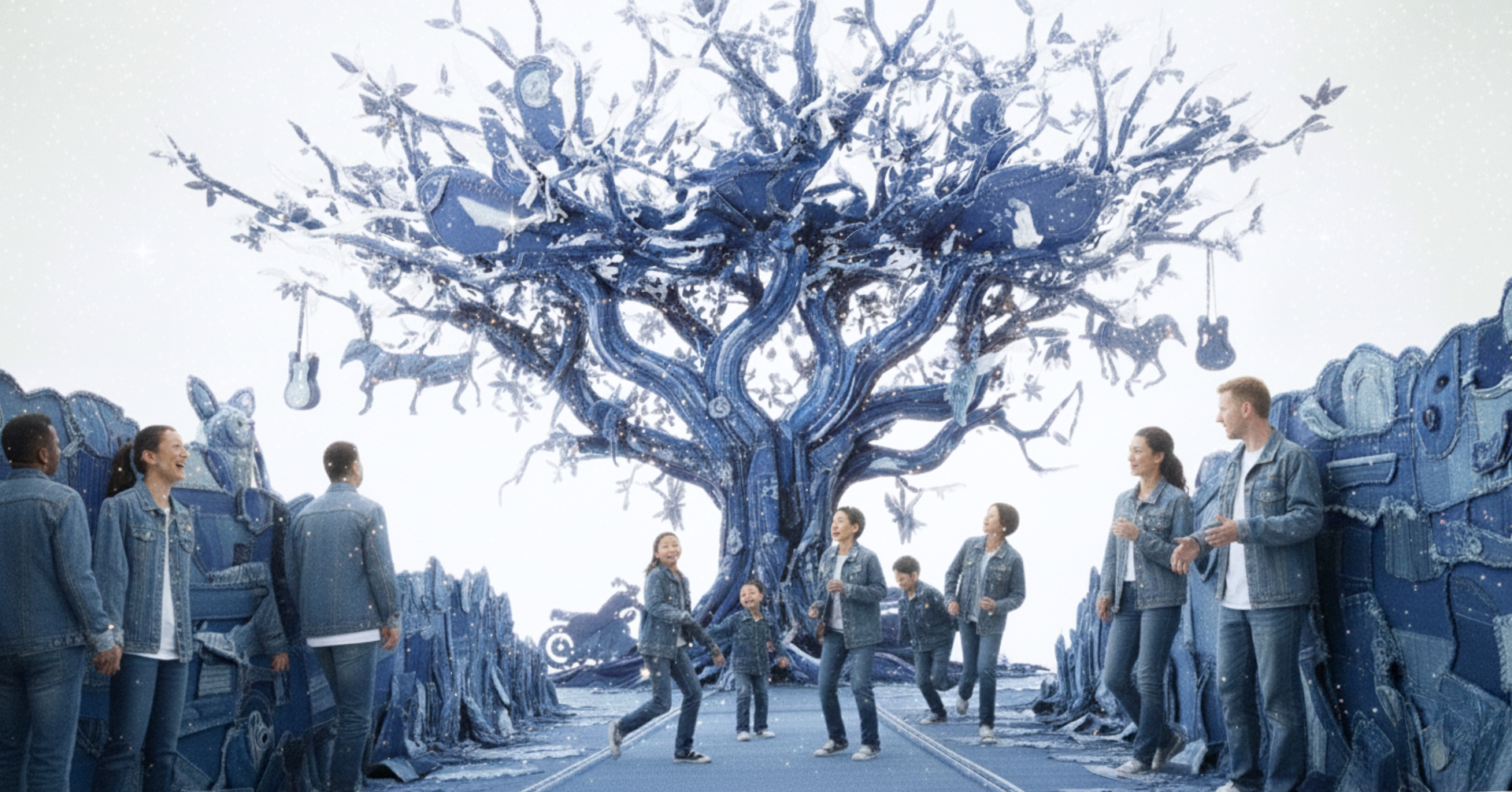
前回ブログで日本のデニムブランドの相関図を整理し、トレンドの流れを俯瞰することが出来ました。文化はブランドが牽引するのか──今回はトレンドであるワイド/バギーシルエットをもとに、改めて「文化」の源泉を探ってみたいと思います。いかにして流行(Hype)が、消費と文化(Culture)の分岐点を進んでいくのか?その道筋を見ていきましょう。
1|文化の因数分解と方程式
文化の意味をWebで調べると
社会を構成する人々によって、習得や共有、伝達される行動様式あるいは生活様式の総称
とあります。ここから分かるのは、文化を生み出すものが人の営みにあると言うこと。そこで文化を因数分解するにあたり、アメリカでデニム文化が開花した各年代を①時代背景②深層心理②表現方法③メディアの4要素で整理してみることにします。
1950s
①時代背景:戦後好景気と大量消費/冷戦の緊張/体制に反発する若者文化
②深層心理:豊かさの約束と同調圧力への違和感、差別や貧困への不満、反骨の芽生え
③表現方法:ロカビリー、ロックンロール、インダストリアルデザイン
④メディア:テレビ登場、ラジオ黄金期、ハリウッド映画、タイムバイイング
→グリースヘア、アイビールック、白T
・デニム市場:ロールアップ/ストレート
・アイコン:エルビス・プレスリー、マーロン・ブランド、マリリンモンロー
1960s
①時代背景:公民権運動・ベトナム戦争反戦・ウーマンリブ
②深層心理:体制不信、指導者暗殺の喪失感、価値観対立、新しい在り方の探究
③表現方法:カウンターカルチャー、ロックと社会メッセージ融合、クリエイティブ革命、薬物利用
④メディア:FMラジオ台頭、若者向け番組、野外フェス、イージーライダー
→細身シルエット、ユニセックス、ヒッピーの萌芽
・デニム市場:テーパード、フレア
・アイコン:ザ・ビートルズ、ジミ・ヘンドリックス、ボブ・ディラン
※1967年を境に、70年代の潮流に移行していきます
1970s
①時代背景:オイルショック/スタグフレーション、不景気、豊かさの終焉
②深層心理:政府への不信感、内向き志向と逃避、ニヒリズム
③表現方法:ポップカルチャー、サブカルチャー、個人主義、カスタム
④メディア:テレビ中心、ケーブルTV黎明期、アメリカンニューシネマ、報道の自由
→パンク/サイケデリック、ジョギングブーム、スニーカー台頭
・デニム市場:ベルボトム、刺繍・パッチカスタム、デザインバリエーション増加
・アイコン:ボブマーリー、ロバート・プラント、ジャニス・ジョプリン
1980s
①時代背景:小さな政府/レーガノミクスによる経済好転、エイズ危機
②深層心理:好景気からの未来への希望、核戦争の脅威、格差への不満
③表現方法:SF /ホラーの台頭、MTVによる音楽業界の革命、グローバルブランド拡大
④メディア:ケーブルTVの台頭/MTV、新聞の競争激化、ホリゾンタルバイ戦略
→パワーショルダー、スポーツブランド、ロゴ文化
・デニム市場:ウォッシュ加工、ハイウエスト、スリム、デザイナーズ
・アイコン:マドンナ、ブルックシールズ、ブルース・スプリングスティーン
1990s
①時代背景:冷戦終結/グローバル化/ニューエコノミー
②深層心理:自己満足的な社会、内面的な弱さへの共感
③表現方法:サブカルチャーの多様化、多文化主義
④メディア:インターネット普及、テレビ広告黄金期、メディア転換期
→オルタナティブ/グランジ、ヒップホップ、ストリートカジュアル
・デニム市場:ルーズ&バギー、SilverTab/ワイドシルエット、ワーク復権、Osaka 5
・アイコン:カートコバーン、90sヒップホップアーティスト
こうしてみると、社会の変化を反映してきた媒介の一つがデニムであったことが分かります。特に体の輪郭=シルエットは、精神的な「自由度」を表現する物差しになっていた様です。
仮に人の深層心理を解放する装置がデニムだったなら、シルエットやカラーで表現してきたのも納得です。それをメディアが拡張し、「場」と「流通」が支えることで、トレンドが文化へ定着していったことが分かります。
つまり文化を前に進めてきたのはブランドだけではなく、むしろ着る人の深層心理と、それを拾うメディアの動き、そこにファッションが拡声器として全体で育んでいったと言えそうです。それぞれの時代に生まれた心の動きが、表現方法としてデニムを選び、その選択をしたアイコン達がリードして、大きな動き=文化にまで押し上げていったということ。
ここから見えてくるのが、次のような方程式。
文化 =時代背景 ×(深層心理+表現方法)× (メディア+流通)
シンプルにすると
文化=時代×人間×市場
この方程式ではいずれかがゼロなら文化は生まれない、という示唆になります。そして要素の全ては人間によって育まれているという事実。文化とはつまり、人間そのものと言えますね。ではこの方程式で、今のワイド/バギーのトレンドを読み解くと一体何が見えてくるでしょうか。
2|起点を読む:ワイド/バギーはいま何を映している?
20世紀後半の文化をリミックスして消費している昨今。2025年の今何が起きているのでしょう?以下私なりに、先の方程式から因数分解してみました。
①時代背景:高齢化社会、自国ファーストと分断・複雑化、経済の不確実性
②深層心理:未来への不安、繋がりへの希求、一人ひとりの価値探求、ウェルビーイング
③表現方法:テクノロジーが実現を後押し、個人のストーリーや体験が生み出す多様な表現
④メディア:AIの誤情報(ハルシネーション)、XRによる物理世界からの解放、1次情報発信力の信頼度向上
さて、この4つから見えてくるのは
・誰から買うか=エシカル消費
・Quiet Luxury=本物が持つ心身の心地よさ
・伝統の再評価/SDGs=持続可能性
・自己認識=標準サイズ・短丈復権
・ウェルビーイング=ワイドシルエット/軽い素材
こうした2025年に見られる要素が、ファッションにも投影されていると考えると、なるほど確かに精神的自由度を求める流れから、トレンドがワイド/バギーを求めていることも理解できます。
3|消費で終わらせず文化にする条件
ビッグシルエットが定番化したように、こうした時代を生きる私たちにとって、ゆったり締め付けない着心地は今後も長期化するようです。ただそれが文化か?と言われると、ちょっと疑問─なぜなら「文化」になるには、ある種大きな「感情のうねりの軌跡」と言えるものがあって欲しいと考えるからです。
個人的には、その「うねり」が昔ほど感じられないなと感じています。それはおそらく、受け皿となる時代そのものの「スピード」が、過去に比べあまりにも加速度的に進んでいるからではないでしょうか?
つまり過去のように、時代に認知される大きな潮流として、スタイルが育まれる一定規模の周期そのものが、あまりに短すぎるのではないか?と思うのです。そうなると、今後文化は短いサイクルを繰り返し、やがて感じることもなくなっていってしまうのでは──私たちはこれから、どうやってかつてのような豊かな「文化」を培っていけばいいんでしょう?
4|時間と繋がりを感じる贅沢な機会そのものを文化に
もはや当たり前になった「タイパ」に代表されるように、1秒の価値はどんどん高まっています。無駄な時間が削減対象になる世の中にあって、無駄な時間そのものが贅沢な価値に置き換わっていく時代。こうした時代にあって、「文化」として私たちが愉しむにはどうすればいいのか──
ブランドが発信する深い世界観や素材、着心地は当たり前。アイコンとなるファッションリーダーと、それを求めるファンの存在も当たり前。これまで価値とされていたことそのものも消費されていく中、それでも文化にしていくために何が必要なのか?私はその答えが、人と時間を共有できる「縁(エン)」にあると考えています。
「縁」は仏教由来の概念で、出来事や人と人を結びつける因果的なつながりのこと。手に取れる「モノ」からその背景である「コト」を知り、伝える「ヒト」を通して大切な「トキ」を実感できる「エン」─量産され消費され続けている今のデニム市場にも、なんとかこの「縁の実感」を創造し、文化に繋げていきたいものです。デニムにスポットライトを当てた日本人だからこそ、次の文化を育てたい。
5|点を道に、道を地図に、地図を元にあの人の元へ
加速するこれからの時代、様々な価値観の“交差点”に小さな「縁」を感じる機会づくりが、文化の萌芽を大樹に育むことに繋がっていく。
fade ink. はその“交差点”となる“機会づくり”を通して、HypeをCultureへと運ぶ案内役として貢献していきたいと考えています!
<English Ver.>
People Carry Trends into Culture. Designing Culture in an Accelerated Age
In the previous post, we mapped Japan’s denim ecosystem and took a wide-angle look at how trends move. Do brands alone lead culture—or is there something that precedes their wave? Using today’s wide/baggy silhouette as our lens, let’s revisit the sources of “culture.” How does Hype reach the fork where it either fades as consumption or takes root as Culture? Here’s the path.
1|Factoring Culture and a Working Formula
If you look up “culture,” you’ll find it described as the learned, shared, and transmitted ways of life among a people. In other words, culture is made by human practice. To factor it, we’ll revisit the decades in which denim culture flourished in the U.S., organized by four elements: ① historical context ② deep psychology ③ modes of expression ④ media.
1950s
① Context: Postwar boom and mass consumption; Cold War tension; a youth culture pushing back against the establishment
② Deep psychology: Discomfort with enforced conformity amid promised prosperity; frustration with discrimination and poverty; a spark of defiance
③ Expression: Rockabilly, rock ’n’ roll, industrial design
④ Media: The rise of television; radio’s golden age; Hollywood; time-buy ad slots
→ Greaser hair, Ivy League look, white tees
・Denim market: Rolled cuffs / straight fits
・Icons: Elvis Presley, Marlon Brando, Marilyn Monroe
1960s
① Context: Civil rights movement; anti-Vietnam War; women’s liberation
② Deep psychology: Distrust of institutions; grief after assassinations; value conflicts; search for new ways of living
③ Expression: Counterculture; rock fused with social messages; creative revolution; drug use
④ Media: FM radio; youth TV; outdoor festivals; Easy Rider
→ Slim silhouettes, unisex looks, the seed of hippie style
・Denim market: Tapered to flared
・Icons: The Beatles, Jimi Hendrix, Bob Dylan
※ Around 1967, currents shift toward the 1970s.
1970s
① Context: Oil shocks; stagflation; recession; the end of easy prosperity
② Deep psychology: Distrust of government; inward turns and escape; strands of nihilism
③ Expression: Pop and subcultures; individualism; customization
④ Media: Network TV dominance; early cable; New Hollywood; stronger press freedom
→ Punk / psychedelia, jogging boom, sneaker rise
・Denim market: Bell-bottoms; embroidery & patch customization; expanding design variety
・Icons: Bob Marley, Robert Plant, Janis Joplin
1980s
① Context: “Smaller government,” Reaganomics and recovery; the AIDS crisis
② Deep psychology: Optimism about the future; nuclear anxiety; resentment over inequality
③ Expression: The rise of sci-fi and horror; MTV remakes the music industry; global brand expansion
④ Media: Cable TV / MTV; fiercer newspaper competition; horizontal media buys
→ Power shoulders, sports labels, logo culture
・Denim market: Heavy washing; high-waist; slim; designer denim
・Icons: Madonna, Brooke Shields, Bruce Springsteen
1990s
① Context: Cold War ends; globalization; the “new economy”
② Deep psychology: Complacent society; empathy for inner fragility
③ Expression: Proliferating subcultures; multiculturalism
④ Media: The internet spreads; TV advertising’s peak; a media transition era
→ Alternative/grunge, hip-hop, street casual
・Denim market: Loose & baggy; Levi’s SilverTab; wide silhouettes; workwear revival; the Osaka 5
・Icons: Kurt Cobain; ’90s hip-hop artists
Seen this way, denim has been one of the clearest mediums reflecting social change. Silhouette—especially hem width—often acted as a ruler for psychic “freedom.” If denim helped release that inner drive, then silhouette and color became its visible outcome. Media then amplified it, and once place and distribution were in place, trend could settle into culture.
Culture hasn’t advanced by brands alone. It’s been driven by the wearer’s inner motives and the media that caught and carried them—fashion acting as a megaphone. In each era, a collective feeling chose denim as its expression; icons embodied that choice and led it until it became culture.
From here, a working formula emerges:
Culture = Historical context × (Deep psychology + Expression) × (Media + Distribution)
Simplified:
Culture = Era × People × Market
If any factor drops to zero, culture doesn’t form. And all factors are human-made—culture, ultimately, is human. With that lens, what does today’s wide/baggy trend actually show?
2|Reading the Starting Point: What Wide/Baggy Mirrors Now
We’ve been remixing late-20th-century culture for years. In 2025, what’s actually moving?
① Context: Aging societies; “my-country-first” polarization and complexity; economic uncertainty
② Deep psychology: Anxiety about the future; hunger for connection; personal meaning; well-being
③ Expression: Tech-enabled making; diverse expressions rooted in individual stories and experiences
④ Media: AI-driven misinformation/“hallucination”; XR loosening the grip of the physical; rising trust in credible first-party voices
From these four, we see:
- Ethical consumption—the “who” behind purchase matters
- Quiet luxury—comfort and integrity over spectacle
- Tradition revalued / SDGs—sustainability with substance
- Self-recognition—return of true-to-size and shorter lengths
- Well-being—wide silhouettes, lighter materials
This makes the present appetite for wide/baggy easier to grasp: a silhouette that wears the feeling of “room to breathe.”
3|Conditions for Culture—So It Doesn’t End as Consumption
Big silhouettes may remain a staple. But does that alone make culture? Not necessarily. Culture tends to leave a traceable swell of shared feeling over time. Today, that swell is harder to sense—perhaps because the container (our era) moves too fast. Styles don’t get a full cycle to take root before the next wave arrives. If cycles keep shortening, feeling itself may thin out. So how do we cultivate depth again?
4|Make the Luxury the Moment: Turning Shared Time into Culture
“Time efficiency” has raised the price of a second. As “waste” is trimmed, lingering becomes a luxury. In that world, culture is nurtured by occasions that let people sense time together.
Brand worlds, materials, comfort—baseline. Icons and fans—baseline. If value signals alone get consumed faster and faster, what still builds culture? I believe the answer is en (縁)—deliberately designed chances to share time with others.
En—rooted in Buddhist “conditions/affinities”—is the relational fabric that ties people and events. From the tangible thing to the story behind it, to the person who passes it on, to the moment we share: en lets us feel time. Even in a mass-produced, mass-consumed denim market, we can design for the felt sense of en and route it back into culture. If anyone can, it’s the country that once spotlighted denim: Japan.
5|From Points to Paths, Paths to Maps—and Back to People
In a faster age, planting small occasions of en at the intersections of values is what grows culture from seedling to canopy.
Through creating those intersections—those opportunities—fade ink. aims to guide Hype toward Culture.